Choosing the best Men's Fitness Smartwatch in 2026 is not simply about counting features. A useful watch should survive sweaty workouts, early runs, crowded commutes, and long days away from a charger. It should also make health data understandable, not overwhelming. This guide examines leading models through practical fitness needs, verified specifications, independent testing, and everyday usability.
We will compare heart-rate tracking, GPS accuracy, sleep insights, training tools, battery life, comfort, and smartphone compatibility. A runner may value precise route mapping, while a strength athlete may prefer recovery guidance and a durable case. Someone training outdoors needs a bright display and reliable buttons. Small details matter. A loose strap can distort readings during intervals. A weak battery can interrupt a weekend hike.
There is no perfect choice.
Wrist sensors can struggle with rapid lifting movements, tattoos, cold skin, or poor strap placement. Sleep scores may offer useful patterns, but they are not medical diagnoses. Even the most advanced model can produce confusing advice. Therefore, this review avoids treating brand claims as final evidence. It considers laboratory results, real-world experiences, warranty support, software updates, and privacy practices. Prices and features may change during 2026, so value deserves careful attention. The best watch is the one that delivers trustworthy guidance, fits your routine, and remains comfortable enough to wear every day. Expect clear comparisons, practical limitations, and a few honest questions about whether extra technology genuinely improves training.
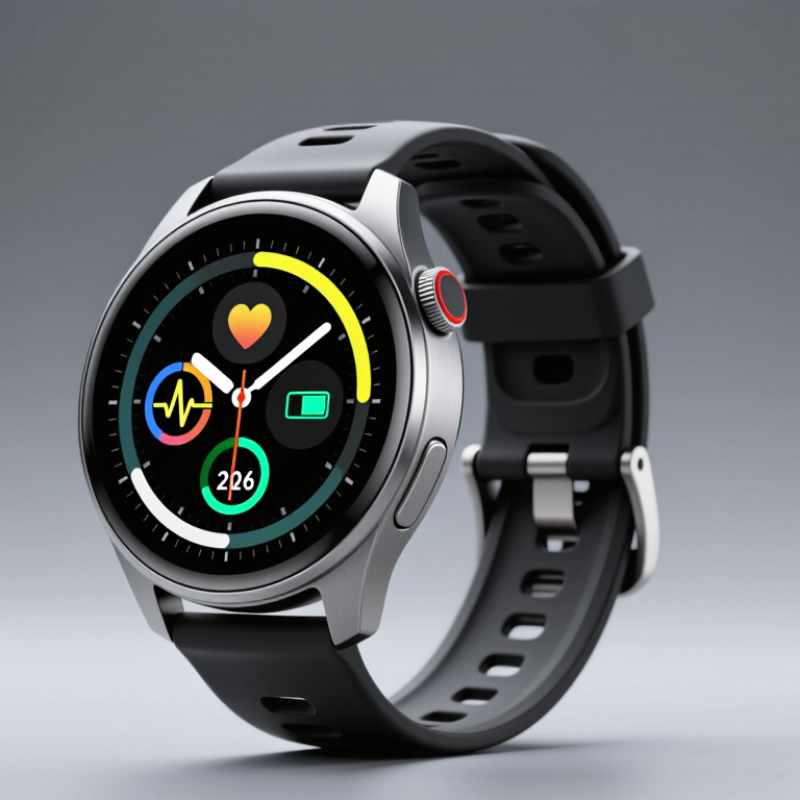
The best men’s fitness smartwatch in 2026 should support real training, not just display impressive numbers. In my experience, accurate heart-rate tracking, reliable GPS, sleep analysis, and recovery insights matter more than decorative features. Fit matters. A loose watch can distort heart-rate readings during intervals or strength sessions. A comfortable strap, clear screen, and durable case also encourage daily use, from office hours to muddy weekend trails.
Strong fitness guidance should explain data in practical terms. It might suggest an easier run after poor sleep, or identify unusual recovery patterns over several days. However, no watch can diagnose illness. Data can mislead. Users should compare readings with personal habits, exercise effort, and professional advice when concerns persist. Battery life should cover several training days, while charging should remain simple. Privacy deserves equal attention, including transparent data storage and clear permission controls. Independent testing and published technical methods make performance claims easier to trust. I also value watches that work without constant phone access, although some advanced features may be limited offline. That trade-off is easy to overlook. The ideal device balances precision, comfort, privacy, and honest limitations, while helping men train consistently across different ages, body types, and fitness goals.
| Evaluation Dimension | Recommended 2026 Benchmark | Why It Matters for Fitness | What to Check Before Buying |
|---|---|---|---|
| Exercise Tracking | Automatic recognition for common activities, plus manual profiles for running, cycling, swimming, strength training, walking, and interval workouts. | A broad activity library makes it easier to record different training styles and compare progress over time. | Confirm that the activities you perform most often have dedicated workout modes. |
| Heart-Rate Monitoring | Continuous optical heart-rate tracking with high-frequency readings during exercise and support for an external chest sensor where available. | Heart-rate data helps guide training intensity, recovery decisions, and aerobic-zone workouts. | Look for workout heart-rate graphs, abnormal-rate alerts, and compatibility with external sensors. |
| GPS Accuracy | Multi-system satellite positioning with dual-frequency support for demanding outdoor routes, when available. | Reliable location data improves distance, pace, elevation, and route records for running, hiking, and cycling. | Check performance in urban areas, wooded routes, and open spaces rather than relying only on laboratory claims. |
| Battery Life | At least 5 days of normal smartwatch use, or approximately 15 to 25 hours of continuous GPS training depending on settings. | Longer battery life reduces charging interruptions and helps preserve overnight recovery and sleep records. | Compare battery estimates with GPS, always-on display, music, and cellular features enabled. |
| Sleep and Recovery | Sleep duration, sleep stages, resting heart rate, heart-rate variability trends, breathing rate, and recovery guidance. | Fitness progress depends on balancing training load with adequate rest and recovery. | Prefer devices that show multi-day trends instead of presenting a single daily score without context. |
| Training Load | Workout intensity, recent training volume, recovery time, and fitness trends presented together. | Training-load information can help reduce excessive fatigue and support more consistent programming. | Check whether the device explains how its scores are calculated and allows personal baseline adjustments. |
| Strength Training | Rep counting, rest-timer support, exercise editing, set and weight entry, and post-workout summaries. | These tools make the watch useful beyond cardio and support progressive resistance training. | Test whether repetitions can be corrected easily and whether custom exercises can be added. |
| Water Resistance | A documented water-resistance rating suitable for swimming, with a clear depth and activity limitation. | Water resistance protects the device during sweat, rain, showers, and pool workouts when used within its rating. | Do not confuse water resistance with unlimited diving protection; review the manufacturer’s stated limits. |
| Health Sensors | Heart rate, blood oxygen estimation, skin-temperature trends, accelerometer, gyroscope, and altimeter where relevant. | Multiple sensors improve activity context and enable broader wellness and environmental measurements. | Treat wellness measurements as estimates, not as a replacement for clinically approved medical equipment. |
| Display and Controls | A bright, readable display with physical controls or touch controls that remain usable during sweaty workouts. | Clear workout data and dependable controls reduce distractions while moving. | Check outdoor readability, glove use, screen responsiveness, and the visibility of small data fields. |
| Comfort and Fit | A secure, adjustable band, moderate case weight, and a shape comfortable for both exercise and overnight wear. | A watch that is uncomfortable is less likely to be worn consistently, reducing the quality of long-term data. | Consider wrist circumference, case thickness, strap material, and comfort during sleep. |
| Smartphone Compatibility | Stable support for current major mobile operating systems, with reliable synchronization and notification controls. | Compatibility affects setup, data history, firmware updates, and the ability to review detailed workouts. | Verify operating-system requirements and whether important features require a specific phone type. |
| Data Export and Privacy | Clear privacy controls, account security, data deletion options, and export support for common fitness formats. | Fitness data is personal; export tools reduce dependence on a single service and improve long-term control. | Review data-sharing settings, cloud-storage policies, and whether exported records remain usable elsewhere. |
| Safety Features | Fall detection, emergency assistance, location sharing, and incident alerts where supported by the region and phone connection. | Safety functions can provide additional support during solo outdoor activities and emergencies. | Confirm regional availability, required connectivity, emergency-contact setup, and limitations of automatic detection. |
| Durability | A scratch-resistant front surface, robust case, replaceable strap, and documented resistance to dust, sweat, and temperature changes. | Outdoor and gym use expose a watch to impact, moisture, abrasion, and repeated movement. | Review the stated durability rating, warranty terms, and replacement-part availability. |
| Overall Value | The best balance of measurement quality, battery life, comfort, software support, durability, and total ownership cost. | The most expensive device is not automatically the best choice; value depends on the user’s training priorities. | Prioritize the features you will use weekly and include subscription, accessory, and replacement costs. |
Look for heart rate, pace, distance, steps, and workout duration. Useful trends matter more than one unusual reading. One number can mislead.
GPS helps runners follow pace and distance on wooded paths or among tall buildings. Signal quality can weaken near dense structures. Test it locally.
Gym users may value heart-rate tracking, recovery information, and durable materials. Simple controls are helpful between sets. Too many metrics can distract.
Battery life should cover several training sessions without daily charging. Nightly charging may become irritating. Habits vary.
Sleep measurements can reveal patterns across several weeks. They should not replace how rested you actually feel. Scores may disagree.
No. These features provide wellness information, not medical diagnoses. Loose straps, cold skin, tattoos, and intense movement can affect accuracy. Persistent unusual readings need professional advice.
Wear it during a normal workout and for one full week. Compare its heart-rate data with perceived effort and workout duration. A trusted chest sensor may help.
A comfortable watch is easier to wear during sweat, sleep, and daily movement. If it irritates your wrist, you may stop using it. That defeats the purpose.
Review privacy settings before syncing health information. Check data access, notifications, and storage controls. Convenience is not everything.
Check whether essential tools require additional payments. Choose features that support your routine, not unnecessary pressure. I once overvalued advanced metrics. That was a poor choice.
Choosing the best Men's Fitness Smartwatch in 2026 means looking beyond appearance and focusing on how well the device supports your personal goals. Key features include accurate heart-rate tracking, workout recognition, step counting, sleep analysis, stress monitoring, and useful health insights. A strong model should also offer reliable data accuracy, clear metrics, and tools that help you understand progress over time rather than simply collecting information.
Battery life, durability, and comfort are equally important for daily wear, especially during intense training, outdoor activities, and overnight tracking. Consider water resistance, screen visibility, secure fit, and compatibility with your phone and preferred fitness apps. Smart functions such as notifications, alarms, GPS support, and music controls can add convenience, but they should not replace core fitness performance. The right choice depends on your routine, training style, health priorities, budget, and how much technology you want in your everyday life.

Dispatched from our UK warehouse with tracked shipping.
Every smartwatch and audio product is covered as standard.
One companion app across the whole product ecosystem.
Pairing, firmware and accessory help from our support team.
